

 See My Latest Article on HelloNation
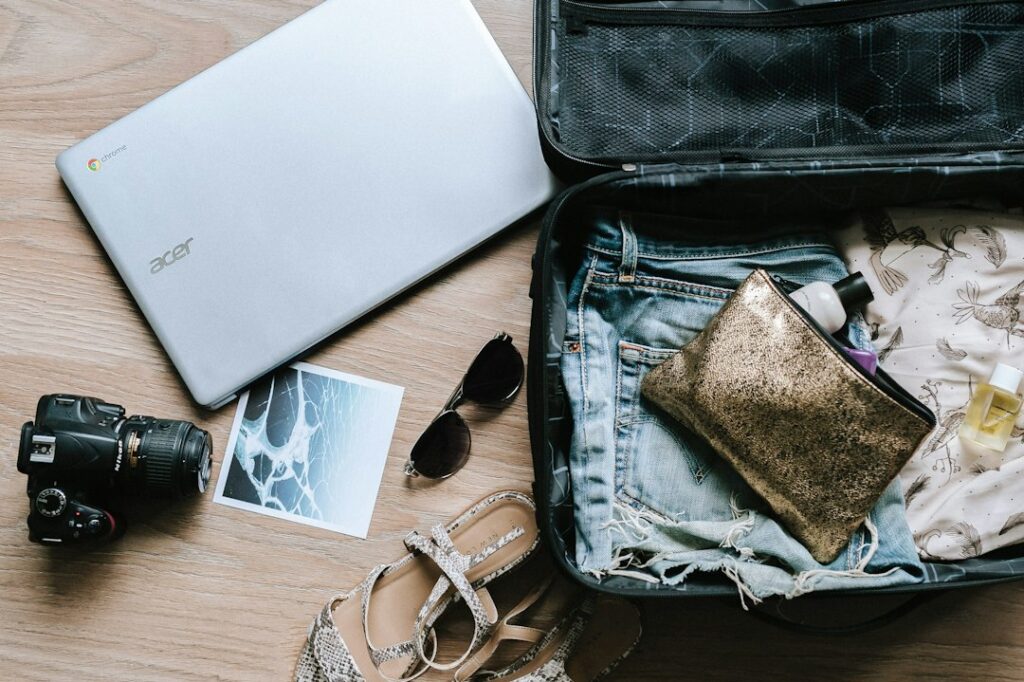
Cruise packing is less about bringing everything and more about separating essentials from items that create clutter, delays, or problems at boarding. A well-organized bag should cover changing weather, shipboard routines, shore activities, formal or special dinners, medications, and the possibility that checked luggage may arrive after departure.
For residents of Charleston, SC, the most useful approach is to plan for both warm, humid conditions before embarkation and the different temperatures, wind, rain, and dress expectations that may occur during the voyage.
What should go in a cruise carry-on bag?
Pack a small carry-on with anything needed during the first several hours on board. Checked luggage may not reach the cabin immediately, so essential items should remain with you.
Include:
- Government-issued identification and any required travel documents
- Prescription medications and basic over-the-counter medicine
- A phone, charging cable, and portable battery if permitted
- Wallet, payment card, and a small amount of cash
- Swimsuit and a change of clothing
- Sunglasses, sunscreen, and a hat
- Reusable water bottle
- Important health information and emergency contacts
- Valuable items such as jewelry, electronics, or cameras
A swimsuit is easy to overlook, but pools and outdoor areas may open before checked bags are delivered. A change of clothing is also useful after traveling in warm or humid weather.
Keep documents in a waterproof pouch or sealed sleeve. Moisture can be an issue during embarkation, particularly when moving between parking areas, terminals, outdoor walkways, and the ship.
Which clothing is most useful on a cruise?
Choose clothing that can be layered and worn in more than one setting. A seven-night cruise does not necessarily require seven complete outfits, especially if casual clothing can be mixed and matched.
A practical clothing plan may include:
- Lightweight shirts or blouses
- Comfortable shorts, trousers, skirts, or casual dresses
- One or two light layers for air-conditioned indoor spaces
- A sweater, cardigan, or thin jacket for windy evenings
- Sleepwear and undergarments
- Comfortable walking shoes
- Sandals or pool footwear
- At least one outfit suitable for a nicer dinner
- Weather-resistant clothing for rain or spray
- A hat and sunglasses
Ships can feel surprisingly cool indoors, even when outdoor temperatures are high. A light layer is often more useful than packing a heavy coat. For cooler-season sailings or itineraries that include open water for long periods, add a warmer layer and closed-toe shoes.
Avoid packing clothing that requires special care unless it serves a specific purpose. Wrinkle-resistant fabrics, quick-drying materials, and neutral colors usually make packing and reusing outfits easier.
How many pairs of shoes are necessary?
Most travelers can manage with three pairs: comfortable walking shoes, casual sandals or equivalent footwear, and one dressier or weather-appropriate pair. The right selection depends on planned activities.
Comfortable shoes matter because cruise days often involve long walks through terminals, decks, stairways, ports, and shore attractions. Shoes should be broken in before the trip. New footwear can cause blisters at the exact time a traveler is walking more than usual.
Open-toe shoes may be convenient, but they are not ideal for every activity. Avoid relying on a single pair for wet decks, formal dining, shore excursions, and long walks.
What toiletries and health supplies should be packed?
Bring personal toiletries in travel-sized containers when possible. Shipboard shops may carry basic items, but selection can be limited and prices may be higher than at home.
Useful supplies include:
- Toothbrush, toothpaste, and personal grooming items
- Prescription medications in original containers
- Motion-sickness medication or other personal remedies
- Sunscreen and lip balm with sun protection
- Insect repellent for outdoor shore activities
- Hand sanitizer and a small supply of tissues
- Bandages, blister protection, and pain reliever
- Any medical equipment needed during the trip
Pack enough prescription medicine for the entire voyage plus extra doses in case of delays. Medication should stay in a carry-on rather than a checked suitcase.
Travelers who are sensitive to motion may want to discuss preventive options with a medical professional before departure. Motion can be more noticeable in certain cabins and during rough weather, so it is better to prepare before boarding than to search for supplies after symptoms begin.
What should be packed for formal nights and special dining?
Dress expectations vary by cruise line and itinerary, but most voyages include at least one evening when guests may prefer a more polished outfit. A simple dress, collared shirt, blouse, trousers, or similar attire is usually enough unless the cruise specifically announces a formal theme.
Check the ship’s dress guidance before packing. Some dining rooms restrict swimwear, bare feet, or very casual clothing during evening service. A versatile outfit can often work for dinner, a show, or a special event without requiring a separate formal wardrobe.
Pack wrinkle-resistant clothing or place delicate items in a garment folder. Hanging clothes in the bathroom during a shower may release minor wrinkles, but do not use irons, steamers, candles, or other heat-producing items in the cabin unless the ship specifically provides an approved option.
What items are commonly restricted or prohibited?
Cruise ships often restrict items that create fire, electrical, security, or sanitation risks. Rules differ, so the official pre-cruise instructions should be checked before finalizing luggage.
Commonly restricted categories may include:

- Candles, incense, and open flames
- Personal irons or clothing steamers
- Heating appliances
- Certain knives, tools, or sporting equipment
- Some extension cords or electrical devices
- Alcohol beyond the permitted allowance
- Illegal substances
- Drones or other equipment restricted by ship policy
Do not assume an item is allowed simply because it is accepted on an airplane or in a hotel. Cruise ships have their own safety procedures, and prohibited items may be confiscated or delay boarding.
How should Charleston residents prepare for weather?
The local climate makes breathable clothing useful during travel to the terminal, but the voyage may involve very different conditions. A warm departure day does not guarantee warm evenings, calm seas, or dry weather throughout the trip.
Pack for:
- Heat and humidity during departure
- Strong sun on open decks
- Wind while the ship is moving
- Sudden rain during port visits
- Cooler indoor temperatures
- Wet walkways and water-based activities
A compact rain jacket often takes less space than an umbrella and is easier to use in windy conditions. Quick-drying clothing is helpful after rain, pool time, or water excursions.
For trips beginning or ending during hurricane season, monitor travel updates and keep essential documents, medicine, and a change of clothing accessible in case transportation plans change.
What should be left at home?
Overpacking creates unnecessary work and may leave less room for souvenirs or items purchased during the trip. Leave behind duplicate toiletries, excessive formalwear, valuable jewelry, and clothing that serves no clear purpose.
A few overlooked items are worth packing:
- A small laundry bag
- Magnetic hooks only if permitted by the ship
- Zip-top bags for wet clothing or small items
- A compact day bag for shore visits
- Copies of important documents stored separately from originals
- A luggage tag with current contact information
Avoid packing anything irreplaceable. If an item would be difficult or costly to replace, consider whether it is necessary for the voyage.
How can luggage be organized before boarding?
Use packing cubes or separate bags for clothing, swimwear, toiletries, and medication. Keep the first-day carry-on distinct from checked luggage, and label every bag clearly.
Before leaving home, verify the ship’s luggage size limits, boarding documents, prohibited-item rules, dining expectations, and weather forecast. Take a quick photo of checked bags before handing them over, and keep luggage tags attached securely.
The most reliable cruise packing list is one that supports the first day, handles changing weather, protects health needs, and avoids unnecessary items. Planning around those priorities usually makes the trip easier from the moment of departure.