

 See My Latest Article on HelloNation
What should be decided before choosing a shore excursion?
The right shore excursion depends on more than the destination. Before reserving an activity, consider the ship’s schedule, transportation time, walking ability, weather, meal plans, and how much flexibility the day allows.
For residents of Charleston, SC, planning may begin with local familiarity, but a cruise excursion still has different time pressures than an ordinary day trip. A familiar area can feel less predictable when a group must return to a vessel by a fixed deadline.
Start by answering four questions:
- How much time is available between arrival and required return?
- Does the activity require a reservation or timed admission?
- How much walking, standing, climbing, or boat travel is involved?
- What is the backup plan if weather or traffic causes delays?
An excursion should fit comfortably inside the available schedule rather than use every available minute.
How much time should be allowed for transportation?
Build in more time than the basic travel estimate suggests. Traffic, event activity, construction, parking, passenger loading, and delays at access points can all affect the return journey.
A useful approach is to divide the day into three parts:
1. Activity time: The time spent at the attraction or participating in the tour.
2. Transfer time: Travel between the ship, transportation point, and destination.
3. Return cushion: Extra time reserved for delays, restroom stops, missed turns, or unexpected congestion.
The return cushion is especially important. A plan that requires arriving at the ship a few minutes before departure leaves no protection against ordinary disruptions.
For excursions involving boats, ferries, or other scheduled transportation, arrive early enough to account for ticket checks, boarding lines, and possible changes in loading order. Missing one departure can affect the entire day.
Which types of excursions are easiest to manage?
Excursions based in one compact area are generally easier to manage than plans requiring several long transfers. Walking tours, museums, historic sites, harbor trips, and short nature outings can work well when the schedule is carefully matched to the ship’s arrival and departure times.
A single main activity is often more enjoyable than trying to combine several distant stops. For example, a morning harbor visit followed by a nearby meal may be more realistic than adding multiple attractions across the region.
Consider the structure of the experience:
- Fixed-time activities require punctual arrival but may provide a clear schedule.
- Self-guided visits offer flexibility but require closer attention to opening hours and transportation.
- Outdoor activities can be rewarding but are more vulnerable to heat, rain, wind, and storms.
- Water-based activities may depend on conditions that can change during the day.
- Multi-stop excursions provide variety but increase the risk of delays.
The most manageable plan has a clear primary purpose and only one or two secondary options.
How do Charleston’s weather and geography affect planning?
Charleston’s heat, humidity, sudden showers, tidal waterways, and exposed outdoor areas can shape the quality of an excursion. Comfortable conditions in the morning may become hot and tiring by midday, especially during the warmer months.
Choose clothing that dries easily and provides sun protection. Comfortable walking shoes are more useful than dress shoes for uneven pavement, stairs, docks, and extended standing. Carry water, sunscreen, and a lightweight layer for air-conditioned indoor spaces.
Rain does not always cancel an outing, but thunderstorms and lightning can affect outdoor activities, boats, parks, and open-air transportation. Check the forecast shortly before departure and understand the cancellation or rescheduling policy for any reserved activity.
Tides also matter around the harbor and waterfront. A scenic area may look different at high and low tide, while muddy edges, slippery surfaces, or exposed walkways can affect comfort and safety. Waterfront plans should leave enough room for changing conditions rather than assuming the shoreline will remain the same throughout the visit.
What should visitors know about harbor and ferry excursions?
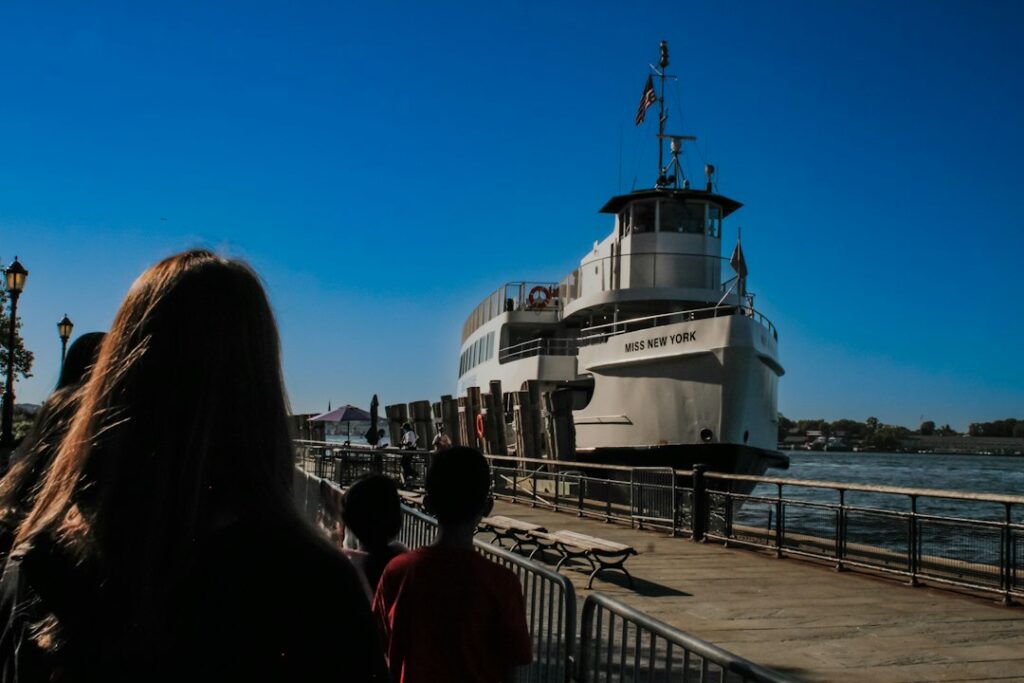
Harbor excursions can be memorable, but they require more planning than a simple walk through town. Fort Sumter, for example, is located on an island and can only be reached by scheduled boat transportation. The visit involves travel time in both directions as well as time at the site.
That makes the departure schedule central to the entire plan. Arrive well before boarding, keep tickets accessible, and avoid scheduling a second activity that begins immediately after the return. Boat rides may also be uncomfortable for travelers who are sensitive to motion, heat, wind, or glare.
Ask practical questions before choosing a water-based outing:
- Is the boat covered, open, or a combination of both?
- Are restrooms available during the trip and at the destination?
- Are there stairs, narrow passages, or uneven surfaces?
- What happens if wind, storms, or mechanical issues alter the schedule?
- Is the activity suitable for children, older adults, or anyone with mobility limitations?
A scenic trip is more enjoyable when the physical demands are understood in advance.
How can a shore excursion accommodate different abilities?
A group should plan around the needs of the person most affected by walking distance, heat, stairs, or limited seating. Descriptions such as “easy walking” can mean different things, so look for specific information about pavement, slopes, steps, rest areas, vehicle access, and restroom locations.
Historic sites may include uneven grounds, narrow passages, or surfaces that are difficult for wheelchairs and strollers. Outdoor areas may have little shade. Even when a destination is technically accessible, the route from transportation to the entrance may require substantial walking.

For a mixed-age group, agree beforehand on where people can rest and whether anyone may choose to skip part of the activity. This reduces pressure and prevents a slower member of the group from feeling rushed.
Should food be part of the excursion plan?
Meals and snacks should be planned with the schedule, not treated as an afterthought. A long activity without water or food can make heat and walking feel more difficult.
Allow time for seating, ordering, payment, and restrooms. Avoid choosing a meal location that requires a long detour unless the dining experience is the main purpose of the outing. Travelers with allergies, dietary restrictions, or medication schedules should identify suitable options before leaving the ship.
It is also wise to carry a small snack and water even when a meal is planned. Delays are common enough that a backup can make the difference between an enjoyable afternoon and an uncomfortable one.
What are common shore excursion mistakes?
Several mistakes appear repeatedly:
- Booking an activity that ends too close to the ship’s departure time.
- Underestimating walking distance between transportation and attractions.
- Assuming a familiar destination will be easy to navigate under time pressure.
- Ignoring heat, humidity, or storm conditions.
- Planning too many separate stops.
- Forgetting that ferry and boat schedules may be limited.
- Failing to confirm accessibility details.
- Leaving tickets, identification, or meeting instructions behind.
A successful excursion usually feels unhurried. If the itinerary requires constant clock-watching, it may contain too many commitments.
How can residents create a practical excursion checklist?
Before leaving, confirm the ship’s all-aboard time, meeting location, transportation details, weather forecast, ticket requirements, and return route. Share the plan with everyone in the group, including what to do if someone becomes separated.
A simple checklist can include:
- Identification and required travel documents
- Tickets or reservation confirmations
- Phone, charger, and emergency contact information
- Water, sunscreen, and weather-appropriate clothing
- Comfortable shoes
- Medication and basic personal supplies
- Cash or a payment method for unexpected expenses
- A written backup plan if mobile service is limited
The goal is not to fill every hour. The most enjoyable shore excursion leaves room for observation, conversation, and an unplanned pause while still protecting the time needed to return safely.